
Off-peak hours that sell
A 07:30 or 19:00 slot no longer costs anything to open. It’s often the first extra revenue our customers notice.
A meeting room isn’t hired out by the day. It’s hired from 09:00 to 11:00, then from 14:00 to 15:30. It’s this fine-grained scheduling that makes it profitable, and it’s also what becomes impossible to manage by hand as soon as there’s more than one room and more than one customer a day.
Updated 30 August 2026
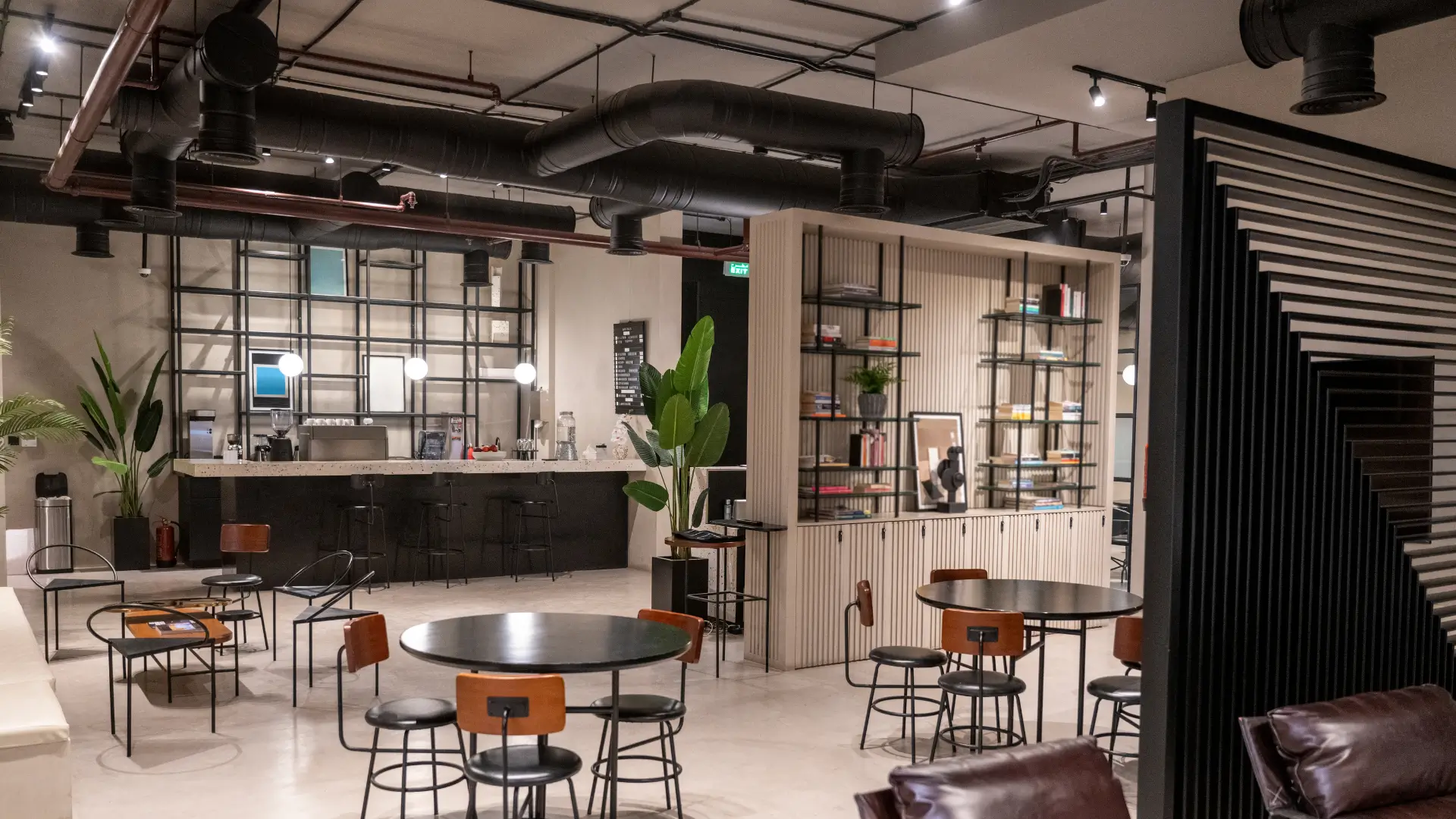
A meeting room’s profitability depends on the number of hours actually sold. Yet supply almost always stops short of demand: a customer who wants to book from 07:30 to 09:00, or on a Saturday morning, is told it isn’t possible. These slots don’t lack buyers; they’ve simply never been put on sale.
The other cost item is energy. A room heated all day for two one-hour meetings costs more than it earns. Without a link between booking and heating, nobody can adjust: rooms are heated just in case.
Linking booking, payment, access and the room’s environment solves both at once. The room opens for those who have paid, at the time they booked, and only uses energy during that time.
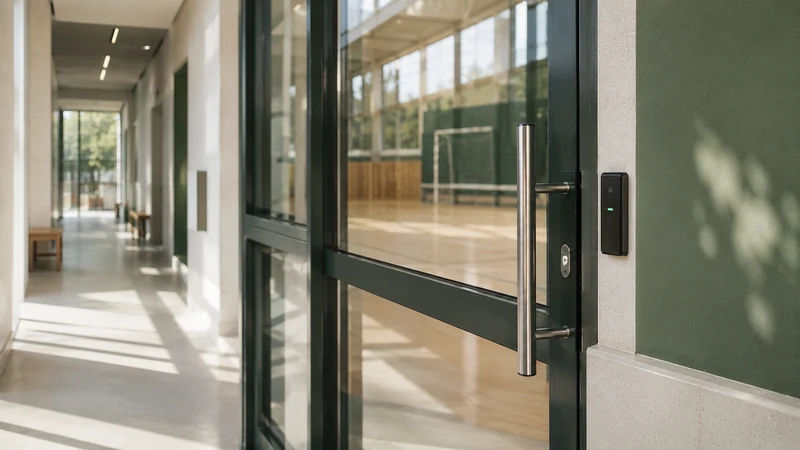
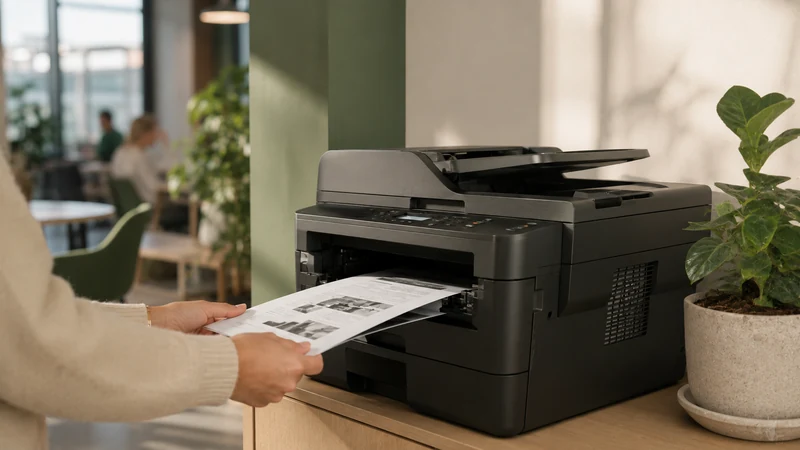
A 07:30 or 19:00 slot no longer costs anything to open. It’s often the first extra revenue our customers notice.
The slot is only held once payment has been collected. A booking that isn’t honoured is still paid for, according to your terms.
The room is only heated during booked slots. The A–E rating makes the difference visible before you even look at the bill.
On a shared copier, everyone has their own credit balance, deducted as they use it. Every print job is traced back to its owner.
The public page shows each room’s free time windows. The customer takes 09:00–11:00, not the whole day.
Payment is collected immediately. Without it, the slot stays open to someone else.
On an equipped site, the heating comes on before the start time and switches off at the end. Nobody had to think about it.
Door, turnstile or keypad: access opens for the booked time window and then closes again, with no badge to collect or return.
One subscription, no commitment and no equipment to replace. Making a space bookable, collecting payment, opening it at the right time and tracking what it brings in: it’s all in the same subscription. No commission on your revenue; the exact scope is agreed with you during the demo.
* Prices shown exclude VAT.
Yes. A room can be offered by the hour and for longer periods, with different prices and, if needed, tiered rates. It’s the sales format that changes, not the room.
The next customer’s code works at its scheduled time; the previous one no longer works. The history keeps the actual entry times, so you can charge for an overrun if that’s your policy.
Yes, when the room has equipment that can be controlled remotely. It is triggered according to the booked slot, with the lead time you choose, so that the room is up to temperature at the start time.
No, neither for you nor for the customer. Everything goes through the browser, and people get in with the code received by SMS and email.
Yes. Each room has its own calendar, and several can be booked for the same time window. They can also be confirmed separately, which avoids blocking off an entire floor by mistake.
With a weekly recurring booking, at the price for the user group they belong to. A payment link can also be sent separately and tracked until it’s paid.
We set up one of your rooms during the demo: slots, prices, access and heating control. You’ll see the result from the customer’s side before deciding anything.