
No more bunch of keys
No more keys entrusted to a contact person who changes every two years. The right to enter follows the slot, not the person.
A sports hall is used from Monday to Sunday by people who don’t share the same status, the same hours or the same contact person. Filling it isn’t the problem; it’s already full. The problem is opening the door at 21:30 on a Tuesday without a key changing hands, and knowing the next day who went in.
Updated 30 August 2026
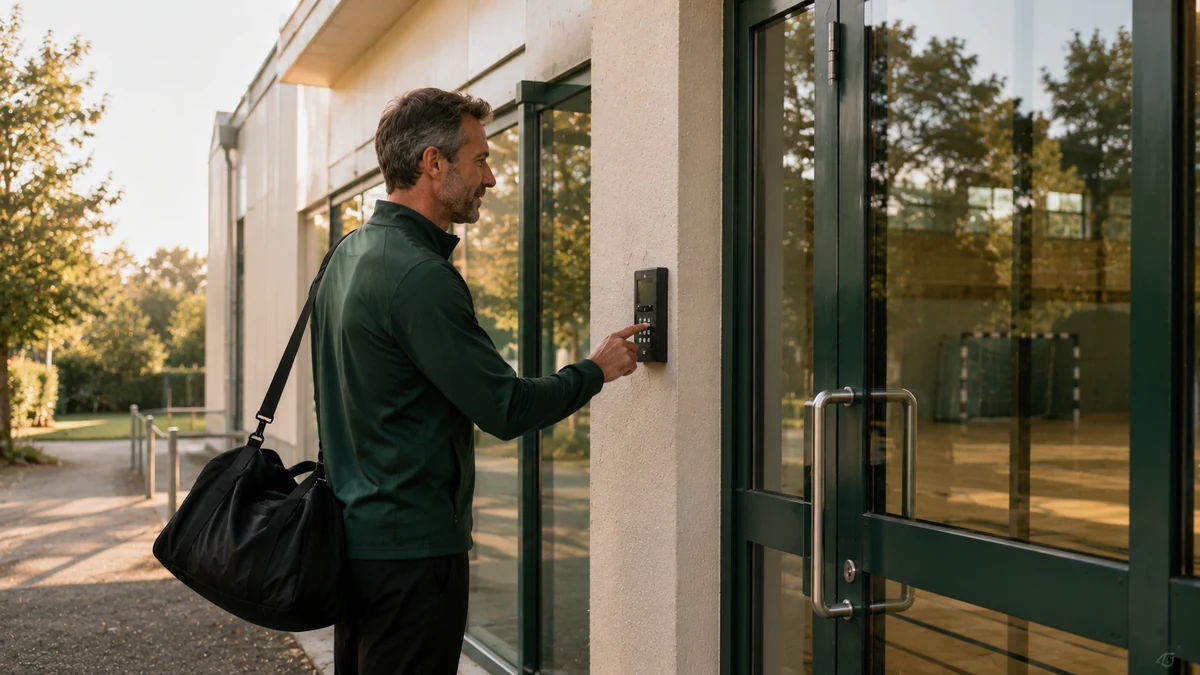
In almost every municipality, access to the sports hall relies on the same inherited principle: a key is entrusted to one contact person per club, and everyone hopes it doesn’t get copied. It holds up as long as the same people stay in place. It starts to crack at the first change of association committee, the first lost key, the first slot opened to an outside club.
The other problem is that this bunch of keys tells you nothing. When equipment goes missing or a door stays open all night, nobody can say who went in or at what time. It gets sorted out from memory, and that damages relationships that should stay simple.
Code-based access tied to the slot puts things back on a clear footing without blaming anyone: each team has its own code, it’s only valid during its training session, and the history is there if the question ever comes up.
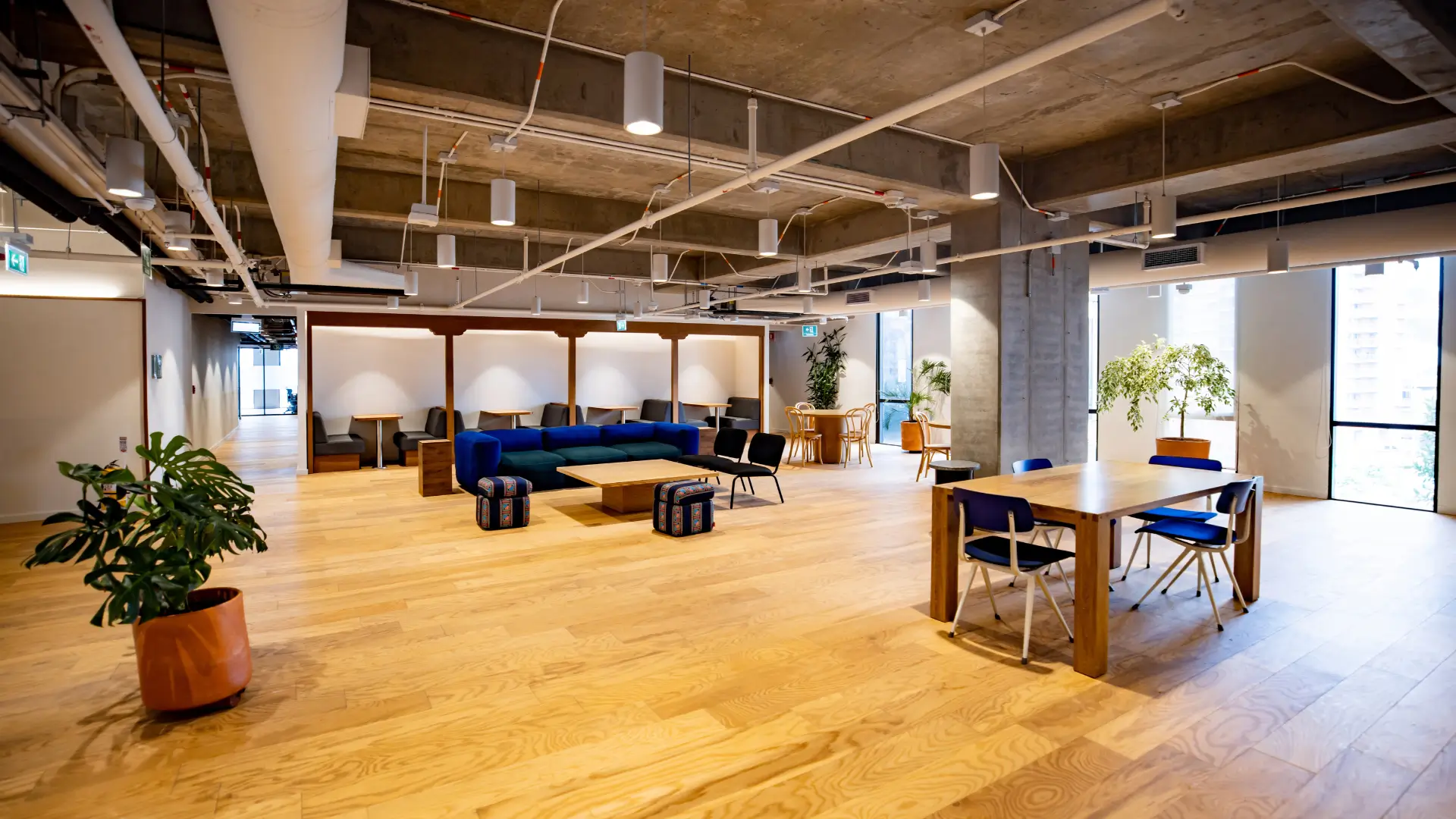
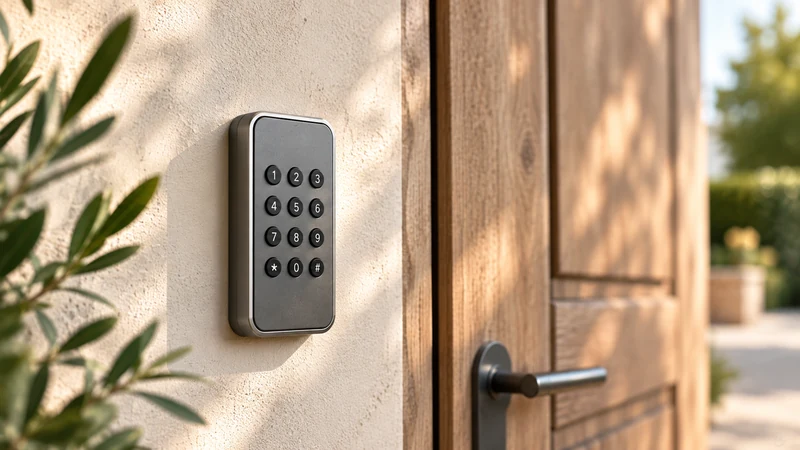
No more keys entrusted to a contact person who changes every two years. The right to enter follows the slot, not the person.
Recurring training sessions are declared once for the whole season, excluding school holidays if that’s your rule.
A sports hall lit for nothing is a line in the budget. The lights now follow the training calendar.
Every slot, free or paid, leaves a record. That’s what lets you show how much a subsidised facility is used.
The council opens the club’s recurring time window for the season. The club doesn’t have to ask again every month.
It matches the club’s slot. No keys have changed hands, no copies have been made.
The code works from the start of the time window. Before that, it does nothing, even if it has been shared.
At the end of the slot, access is cut off and the lights go out. The record of the entry, meanwhile, remains available.
One subscription, no commitment and no equipment to replace. Making a space bookable, collecting payment, opening it at the right time and tracking what it brings in: it’s all in the same subscription. No commission on your revenue; the exact scope is agreed with you during the demo.
* Prices shown exclude VAT.
No. The code matches the booked slot, not each person: the club’s contact person opens up and the team goes in. If you want to go into finer detail, that’s possible, but it isn’t common practice for a sports hall.
Yes, that’s generally the case. A €0 rate is still a booking in its own right: it occupies the calendar, grants access and leaves a record of use. Free use doesn’t make tracking disappear.
Closed days are declared once and cancel out any recurring slots that fall on them. A single occurrence can also be cancelled without deleting the series.
Yes. A one-off booking is placed on a free time window, at the non-resident rate. The code issued only opens that slot, which makes opening up to third parties far less risky than lending a key.
Backup codes, renewed automatically, make it possible to open even when the site has lost its connection. There is always a way in.
Yes, if they are two separate access points that can be controlled remotely. Each becomes an entry point with its own rule, which means you can, for example, open the changing rooms a quarter of an hour before the time window.
We look at your door, your season’s slots and your clubs, then show you what a week of training sessions looks like without a single bunch of keys.