
Off-peak hours sold
Evenings, weekends, holidays: all time windows when spaces sit idle today and can be sold tomorrow without a single extra euro in running costs.
A car park is rarely full all the time. It’s full on weekday mornings, empty at weekends and half-full the rest of the time. It’s these off-peak hours that make the difference between a car park that covers its costs and one that makes money. Provided you can sell them without a cash desk, tickets or change.
Updated 30 August 2026
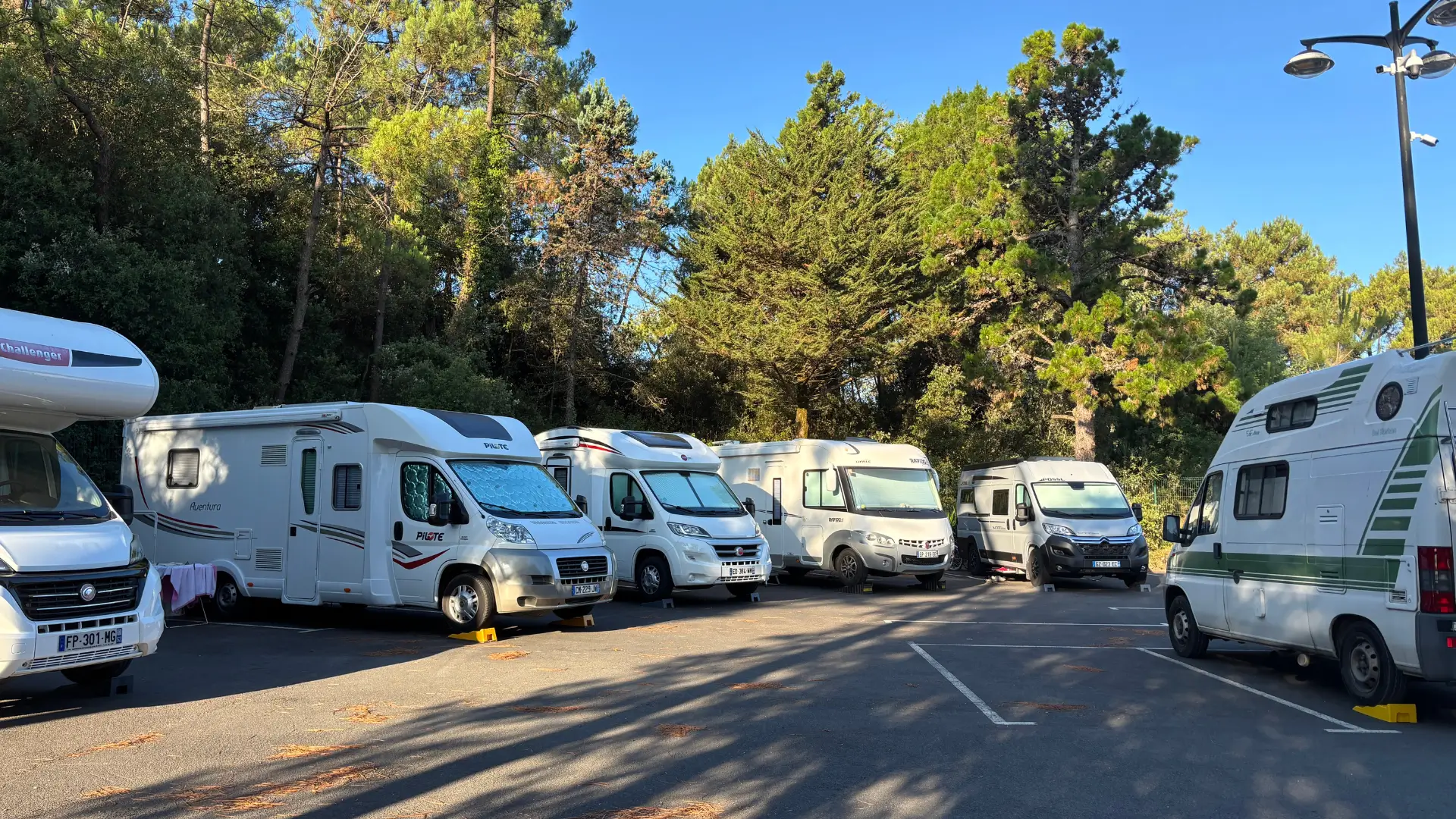
An empty space costs exactly the same as an occupied one: same maintenance, same lighting, same depreciation. The only difference is that it brings in nothing. In a company or residential car park, half the spaces often sit idle as soon as office hours are over.
What stops them being sold isn’t demand, it’s the system. Opening a car park to occasional users means collecting payment, checking and opening the barrier. Do those three things by hand and they cost more than the space brings in.
When booking, payment and opening follow on automatically, the maths is reversed. A space sold for an hour on a Saturday becomes profitable, quite simply because it cost nothing to open.
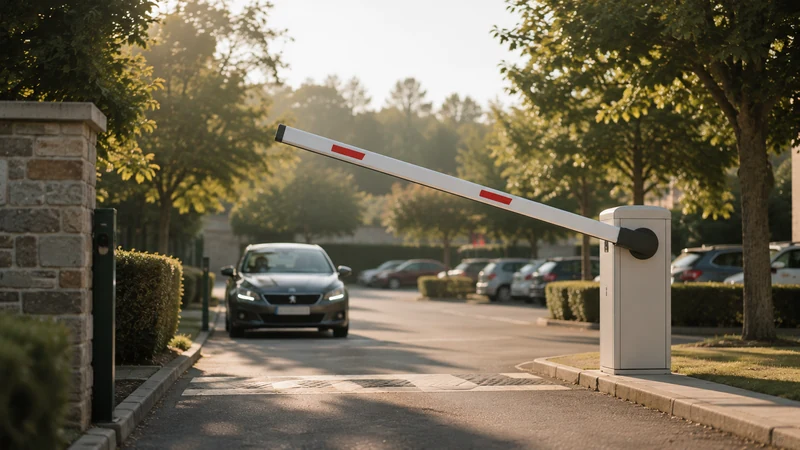
Evenings, weekends, holidays: all time windows when spaces sit idle today and can be sold tomorrow without a single extra euro in running costs.
The code opens during the booked period, and not after. Access is never left open for convenience.
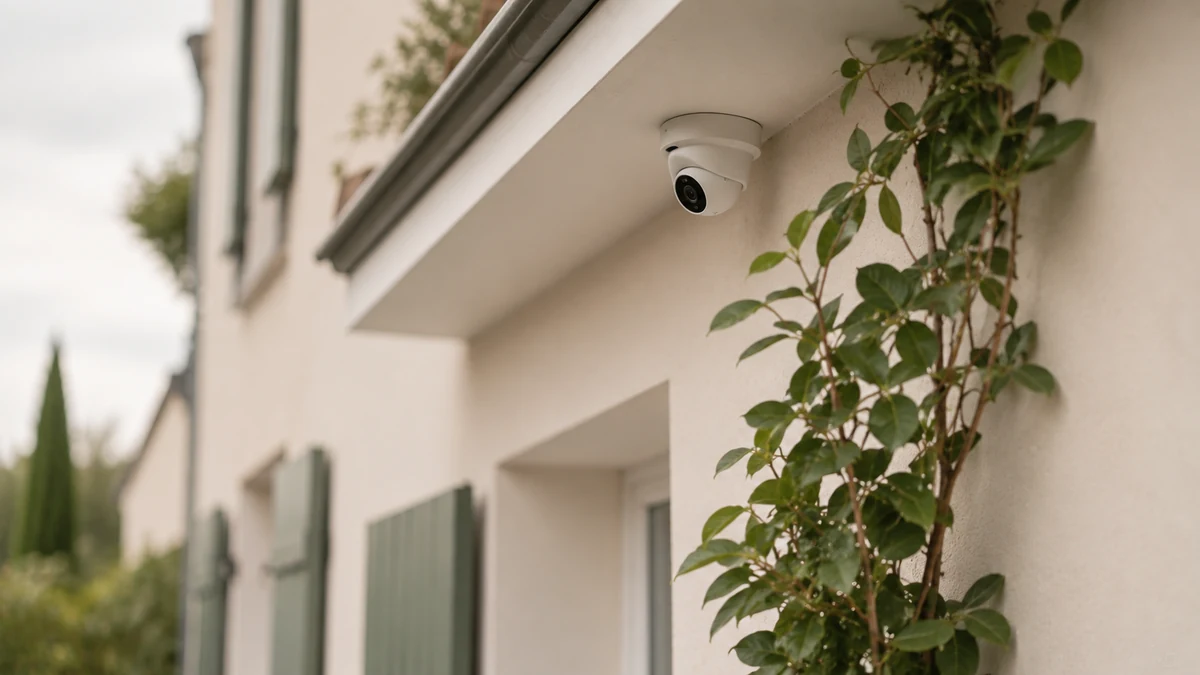
In a car park fitted with compatible cameras, every entry leaves a time-stamped recording. Disputes are settled by watching it.
You see your full levels, your off-peak hours and the day’s revenue, without manual counts or spreadsheets.
They choose their arrival time and duration on a public page. The availability shown takes existing subscribers into account.
No vehicle gets in without confirmed payment. It’s this rule that makes unpaid bills disappear.
Received by SMS and email, it only works during the booked time window, not a minute before.
At the end of the slot, access is cut off. The revenue is already matched to the booking in the accounting export.
One subscription, no commitment and no equipment to replace. Making a space bookable, collecting payment, opening it at the right time and tracking what it brings in: it’s all in the same subscription. No commission on your revenue; the exact scope is agreed with you during the demo.
* Prices shown exclude VAT.
Yes, it’s the most common arrangement. Subscribers keep their spaces, and whatever is left is opened to booking. Public availability takes both into account.
Generally not. We connect to the barriers, gates and keypads already in place as soon as they can be controlled remotely. We check this during the demo.
Leaving is always possible: it’s entry that is conditional. The overstay shows up in the time-stamped log, so you can charge for it if your rules provide for it.
Both work. A named space can be a space in its own right with its own calendar; conversely, a group of spaces can be sold as an overall capacity.
Technically yes, and it’s a common source of revenue for a managing agent. The decision, however, depends on your co-ownership regulations: the system applies what you decide, it doesn’t decide for you.
It doesn’t depend on the number of vehicles accommodated, and the subscription remains all-inclusive, with no commission. Your exact price is worked out with you during the demo, based on your car park as it is.
We look at your barrier, your existing subscribers and your off-peak hours, and together we work out what the slots you aren’t selling yet are worth.