Availability calls
They are the first to go. The public page shows the free dates, and it is always accurate, Sundays included.
Running a village hall rarely fits into software. It fits into a binder, a wall planner and one person’s head. As long as that person is there, all is well. Things get complicated when they are away, when they change jobs, or when someone has to answer in their place on a Friday evening.
Updated 30 August 2026
In most municipalities, everything there is to know about the hall is not written down in full anywhere. The price for a non-resident, the rule on the kitchen, the amount of the deposit, who to call for the condition report, the custom of never opening on 31 December: it all exists, but in someone’s memory, not in a document.
It works very well, until the day it doesn’t. A period of leave, a replacement, an election, and the hall suddenly becomes impossible to manage properly. The mistakes that follow, a price applied wrongly, a date promised twice, a forgotten deposit, cost far more than the time you thought you were saving.
Putting the hall online is not first and foremost about selling more. It is about writing the rule once, so that the hall keeps running the same way when the person who knows isn’t there.
They are the first to go. The public page shows the free dates, and it is always accurate, Sundays included.
Payment comes before access. No more hires used and then left unpaid, and no awkward decisions to make after the fact.
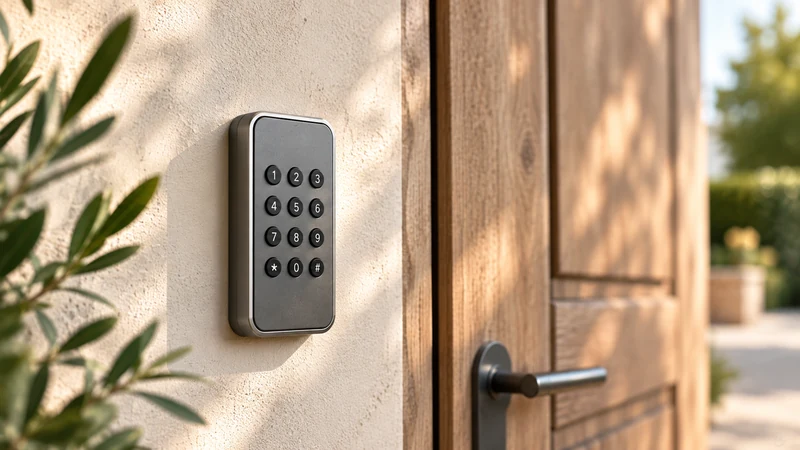
It no longer exists. The code is sent by text message and email, and it is only valid for the booked slot.
It becomes a history you can look up: who, when, for how long, for what amount. With nothing to piece together.
Before, four calls to deal with. After, four bookings already paid for, and you simply look over the list.
Before, some hesitation and a phone call to the mayor. After, the right user group’s price was applied to the booking automatically.
Before, an appointment squeezed in at the end of the day. After, nothing: the code went out with the confirmation.
Before, a binder to update. After, the week’s occupancy and revenue are already on screen.
One subscription, no commitment and no equipment to replace. Your schedule, payment collection, your visitors’ access and revenue tracking in one place, all under your control from your phone. No commission on your revenue; the exact scope is agreed with you during the demo.
* Prices shown exclude VAT.
Yes. Several people can access the dashboard, which is precisely what stops the hall depending on just one of them. Permissions are set according to each person’s role.
They stay in your hands. You create the booking yourself with special conditions, or you close a period to public booking while you decide. The general rule does not prevent exceptions; it makes them visible.
Yes, they are your rules and they stay as they are. What changes is that the hire fee no longer depends on them: it is collected before access, separately from the deposit.
You cancel the booking from the dashboard, the access stops being valid and the date becomes available again. Refund terms remain the ones you have set.
The dashboard can be viewed from any browser, on a computer, tablet or phone. On site, automatically renewed backup codes mean the door can be opened even during an outage.
The subscription starts at €59 excl. VAT per month, all-inclusive and with no commitment. Your exact price is worked out during the thirty-minute demo, based on your actual spaces and equipment.
Rates by user group, durations, deposits, open periods: we turn your hire rules into settings during the demo, and you see straight away what it looks like for residents.