
A schedule nobody double-books
A booked date disappears from the public page within a second. No more slots promised twice over the phone, no more sticky notes making decisions for you.
A village hall is almost always hired out the same way: a call to the town hall, a cheque, a key handed over in person and a condition report squeezed in between two appointments. ASLOT replaces all that with a public booking page, payment collected before entry and a code that is only valid for the booked slot.
Updated 30 August 2026
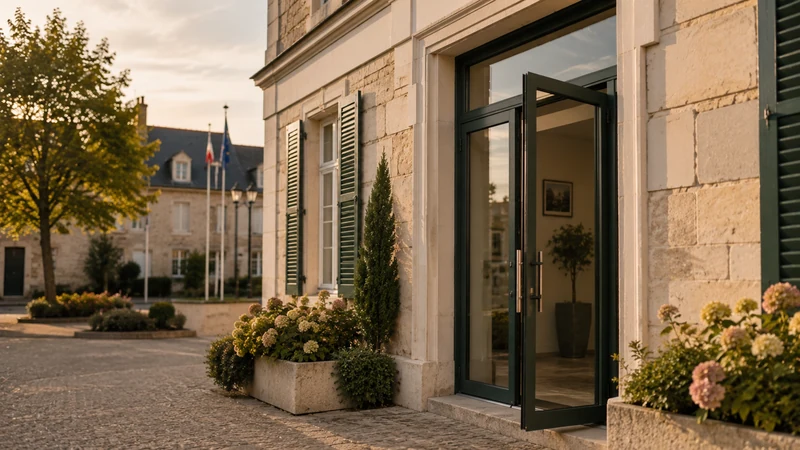
What causes problems with a village hall is almost never the hall itself. It’s the hours kept by the people who hire it. A family planning a birthday party calls in the evening, an association books its bingo for a Sunday, a caterer wants to check a date over the weekend. On the other side, the town hall office is open a few mornings a week. In between, there’s the answering machine, the call-backs and the slots that slip away.
The other sticking point is the key. It gets handed over, handed back, sometimes copied. When it doesn’t come back on Monday morning, nobody really knows who has it any more. And if the hall hosts an association on Wednesday and a private individual on Saturday, the bunch of keys becomes an object tracked by hand, in a notebook.
Opening the hall to online booking solves both at once: free dates are public and accurate at all times, and access is no longer an object but a code valid for a precise time window.
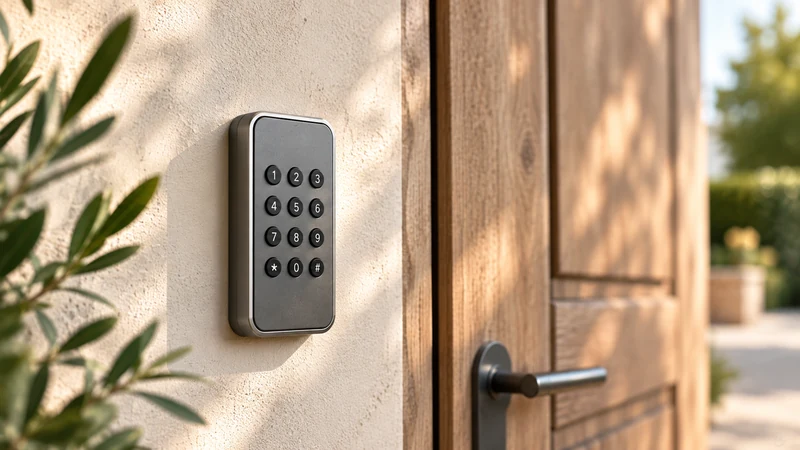

A booked date disappears from the public page within a second. No more slots promised twice over the phone, no more sticky notes making decisions for you.
Payment goes through at the time of booking. You no longer chase payments, and an unpaid date doesn’t tie up a Saturday for nothing.
The code activates at the start time and stops at the end. Nobody keeps a way in after their slot.
Who used the hall, on which day, for how long, for what amount. The answer fits on one screen, not in a ring binder.
The resident opens the hall’s page, sees which Saturdays are still free and takes theirs. No account to create, no app to install.
Until payment is confirmed, the date isn’t held. That’s what prevents phantom bookings that tie up a Saturday for nothing.
It belongs to this booking and only opens during the planned time window, whether the hire starts at 08:00 or ends at 02:00.
At the end of the slot, the code stops working. Lighting and heating follow the same time window if the hall is equipped.
One subscription, no commitment and no equipment to replace. Making a space bookable, collecting payment, opening it at the right time and tracking what it brings in: it’s all in the same subscription. No commission on your revenue; the exact scope is agreed with you during the demo.
* Prices shown exclude VAT.
Yes. The town hall office stays in control: a booking is entered from the dashboard as if it came from the public page. Online booking works alongside the front desk; it doesn’t replace it.
The deposit is still your rule: you set the amount and when you ask for it. What changes is that the hire fee is collected before access. You no longer depend on a cheque handed over on the day.
The code doesn’t work yet: it activates at the start time of the slot. If the hirer needs to get in earlier to set up, they simply book a wider time window from the outset. You book a time slot, not a whole day.
Yes, in fact that’s the most common case. A council generally has a resident rate, a non-resident rate, a business rate, and free use for its associations. Prices are set by user group; the hall stays the same.
Most of the time, no. We connect to the equipment already in place as soon as it can be controlled remotely. We check this during the demo, before you commit.
Setup is quick, and our team does it with you, remotely. The timescale depends mainly on your door equipment and the formalities for collecting payments, not on the software.
In thirty minutes, we look at your door, your price list and your hire rules, and show you the page your residents will see.